Violence as Currency: Peru’s Chiaraje
Jan 24, 2026
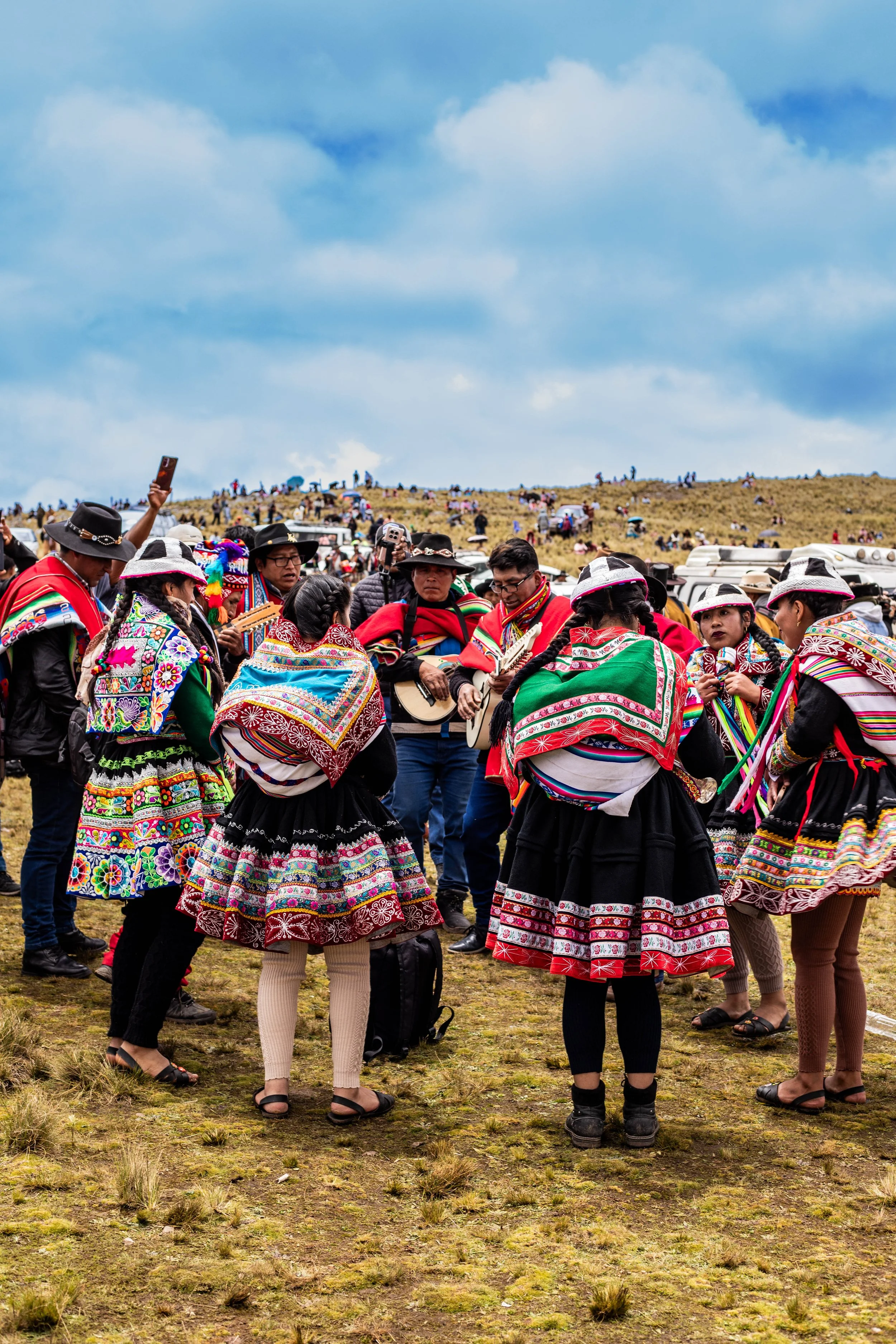
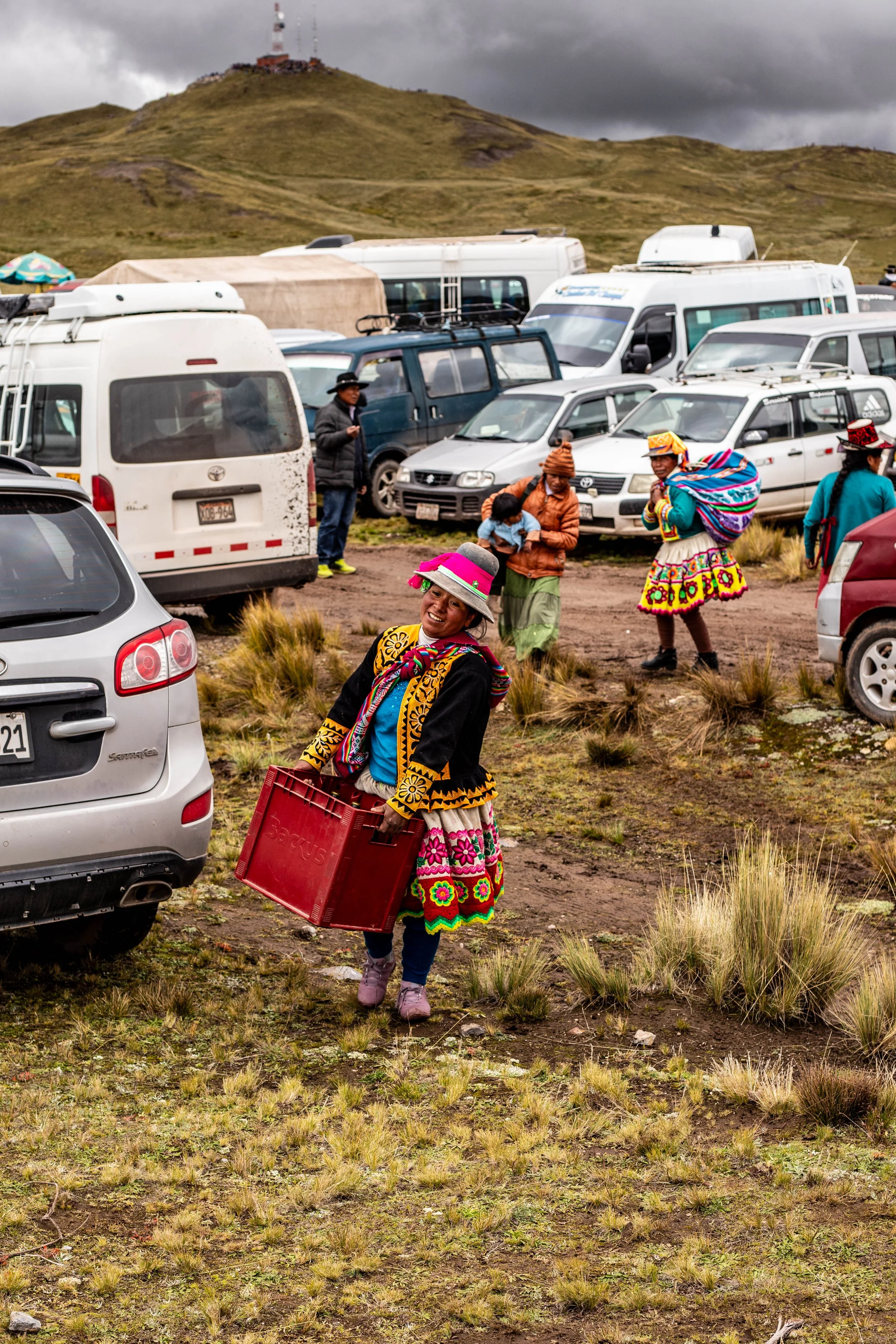
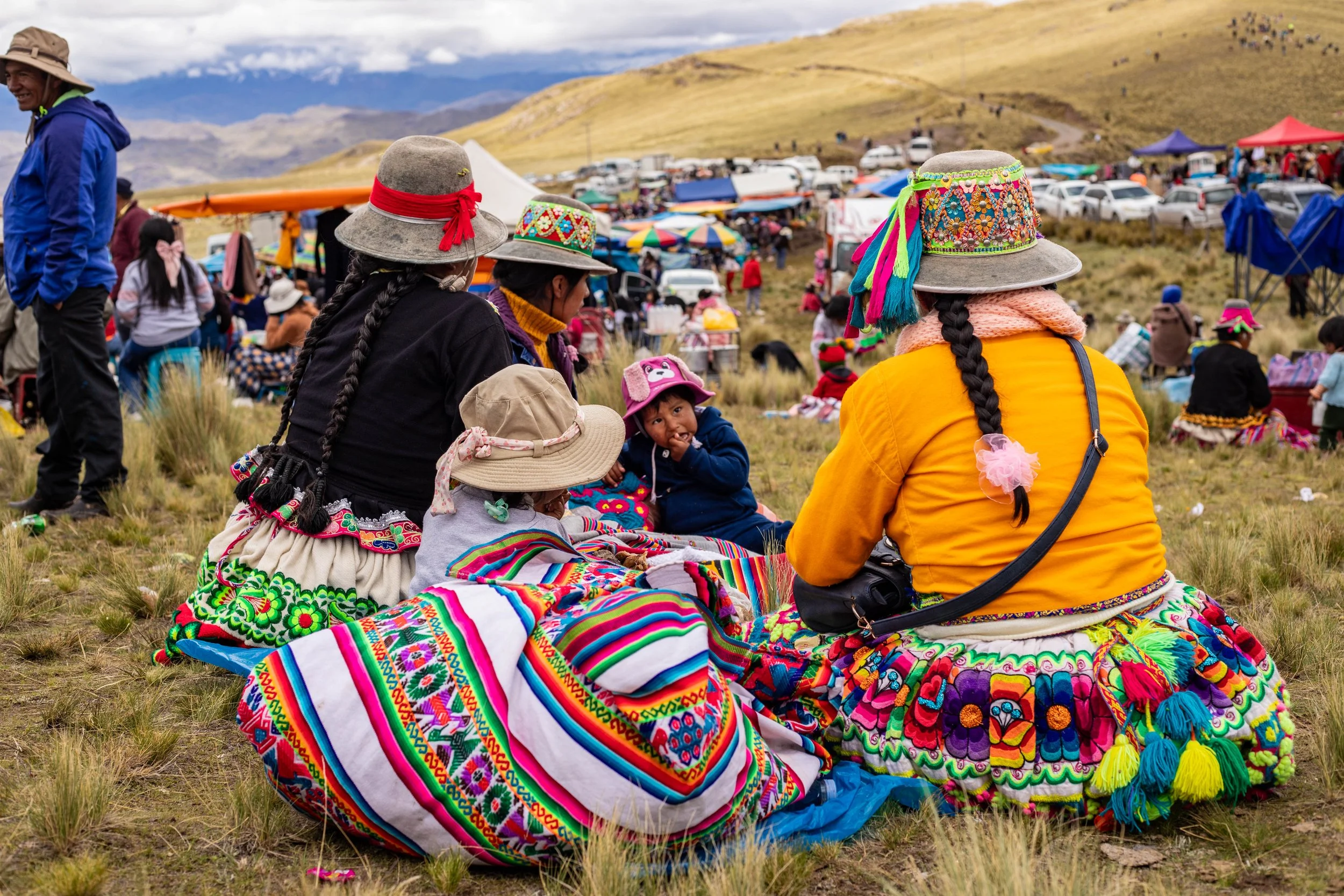
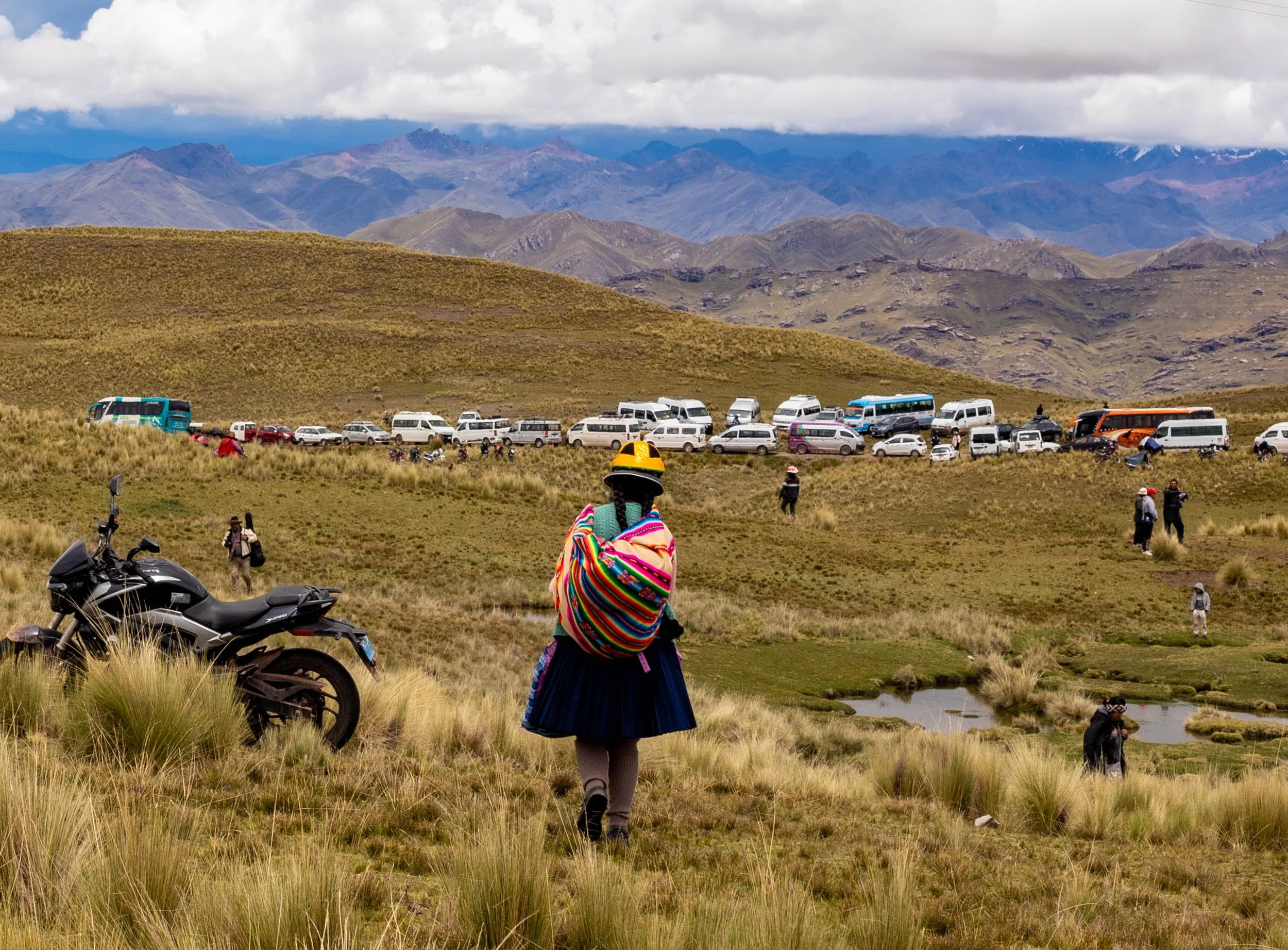
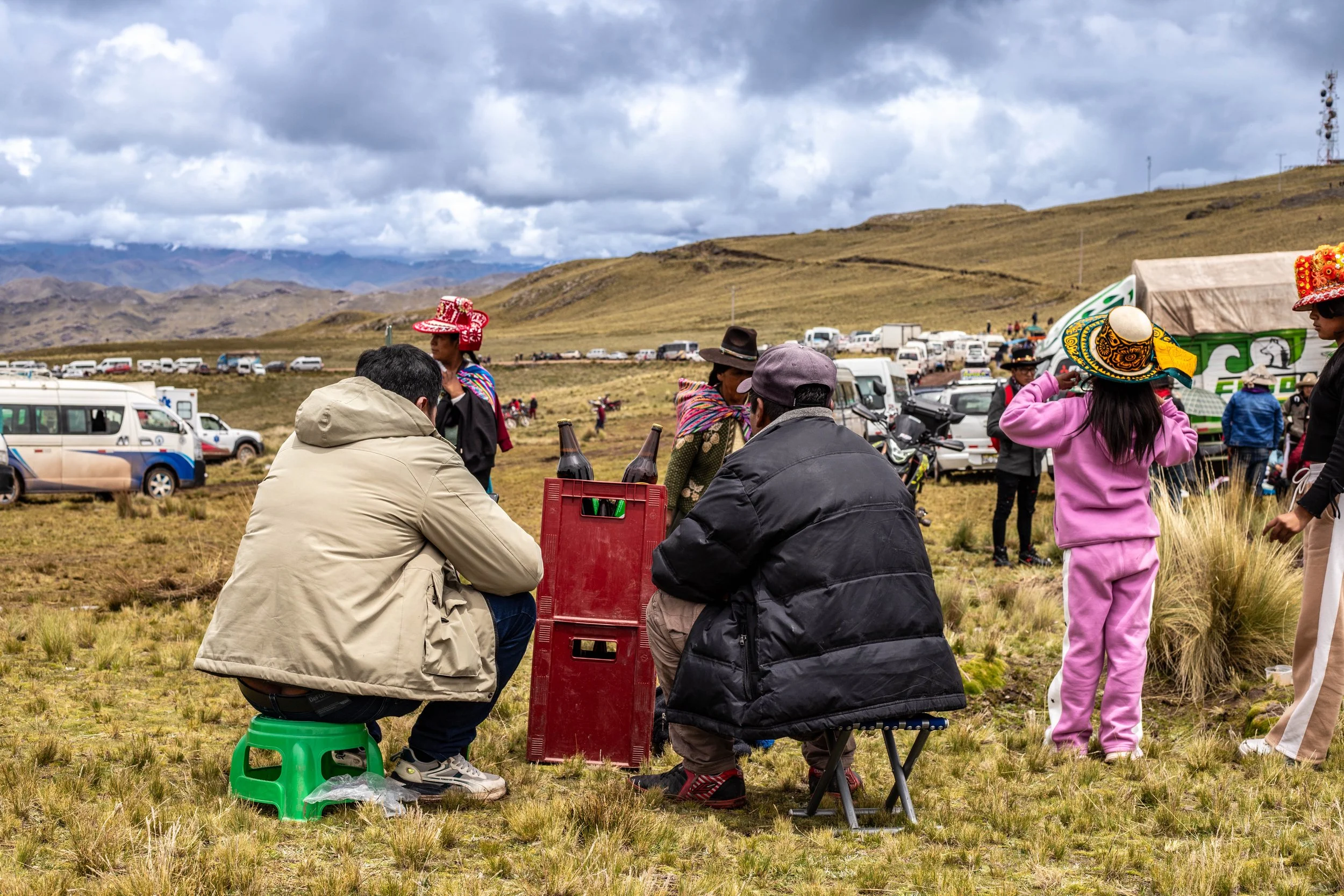
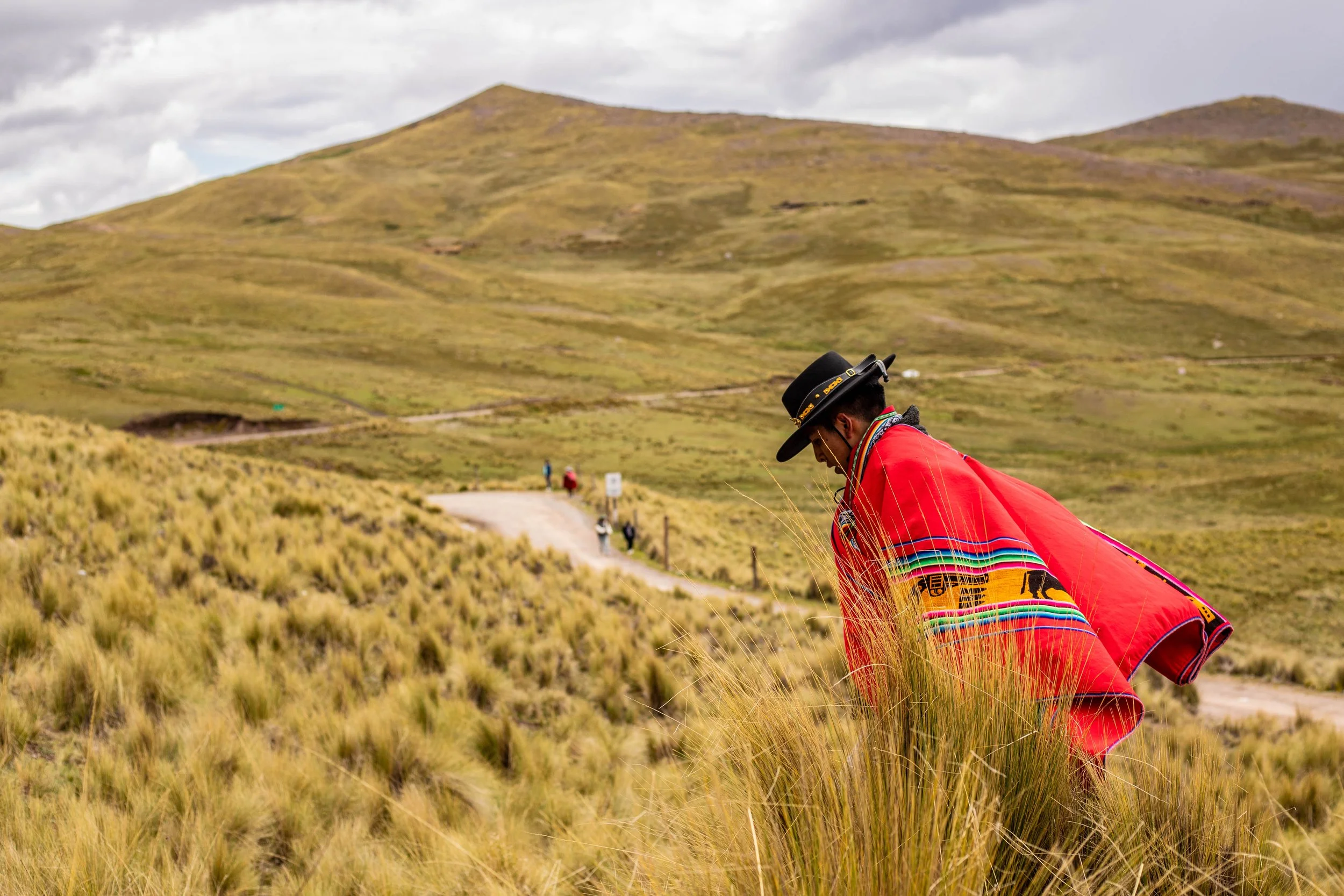
To a North American audience, conflict often means the disruption of peace, but for the Q’ewe and Ch’eqa communities, it’s an act of prosperity. Every January 20th, 4,500 meters high in the mountains of Peru’s Canas province, the High-Andean comuneros gather for the Chiaraje. It is an ancestral battle meant to offer blood to Pachamama (Mother Earth), who, in turn, brings fertility and abundance in the coming year.
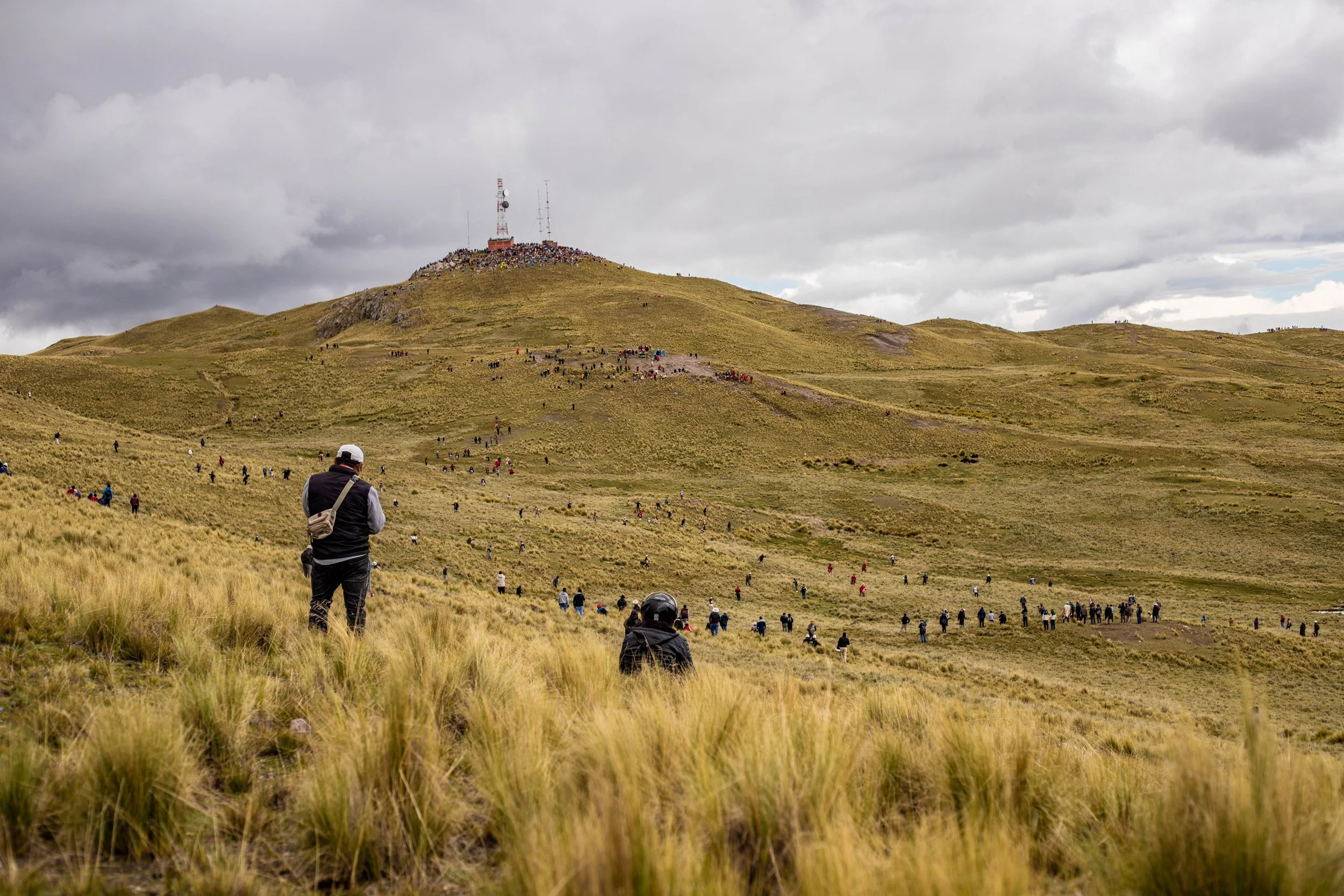
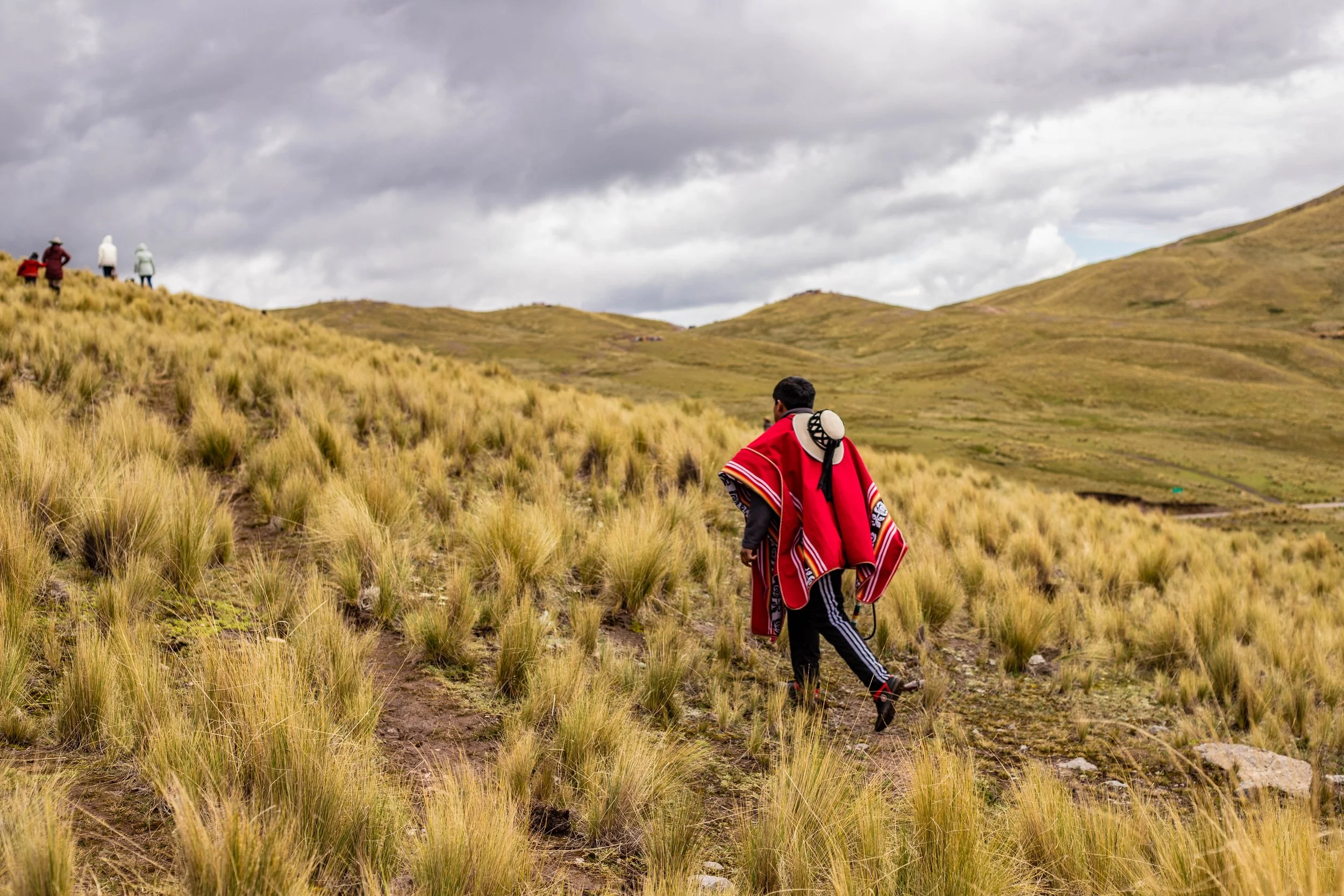
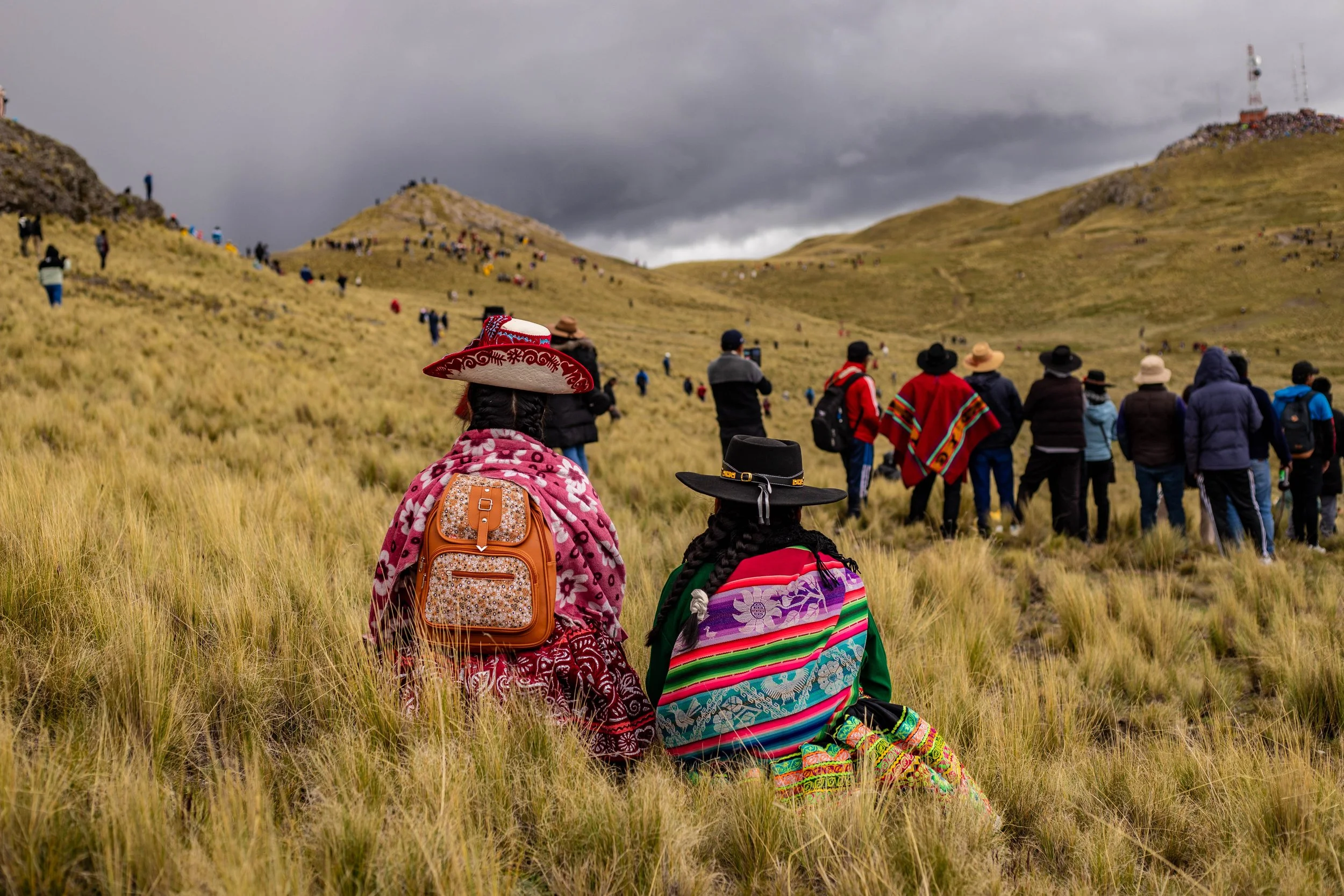
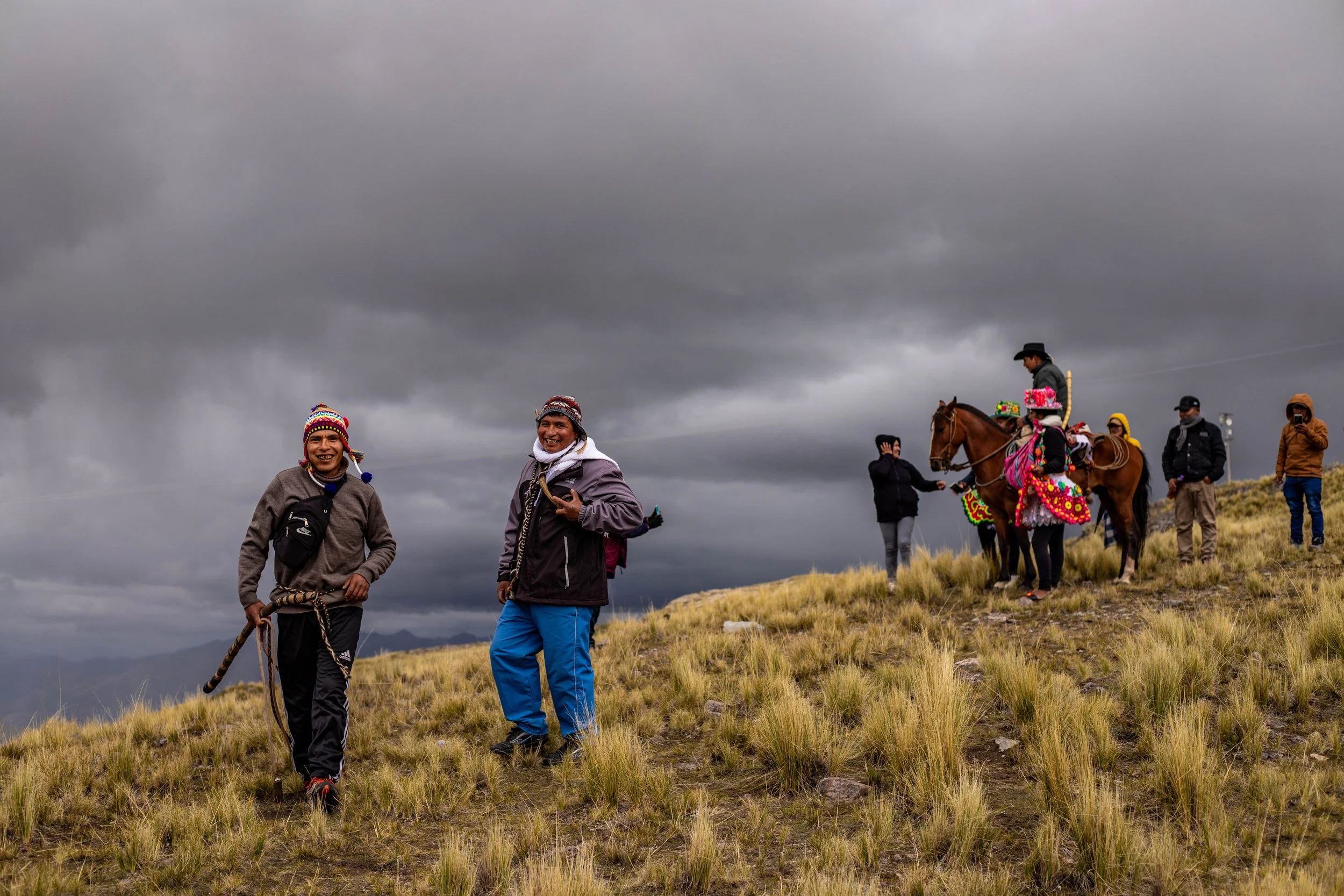
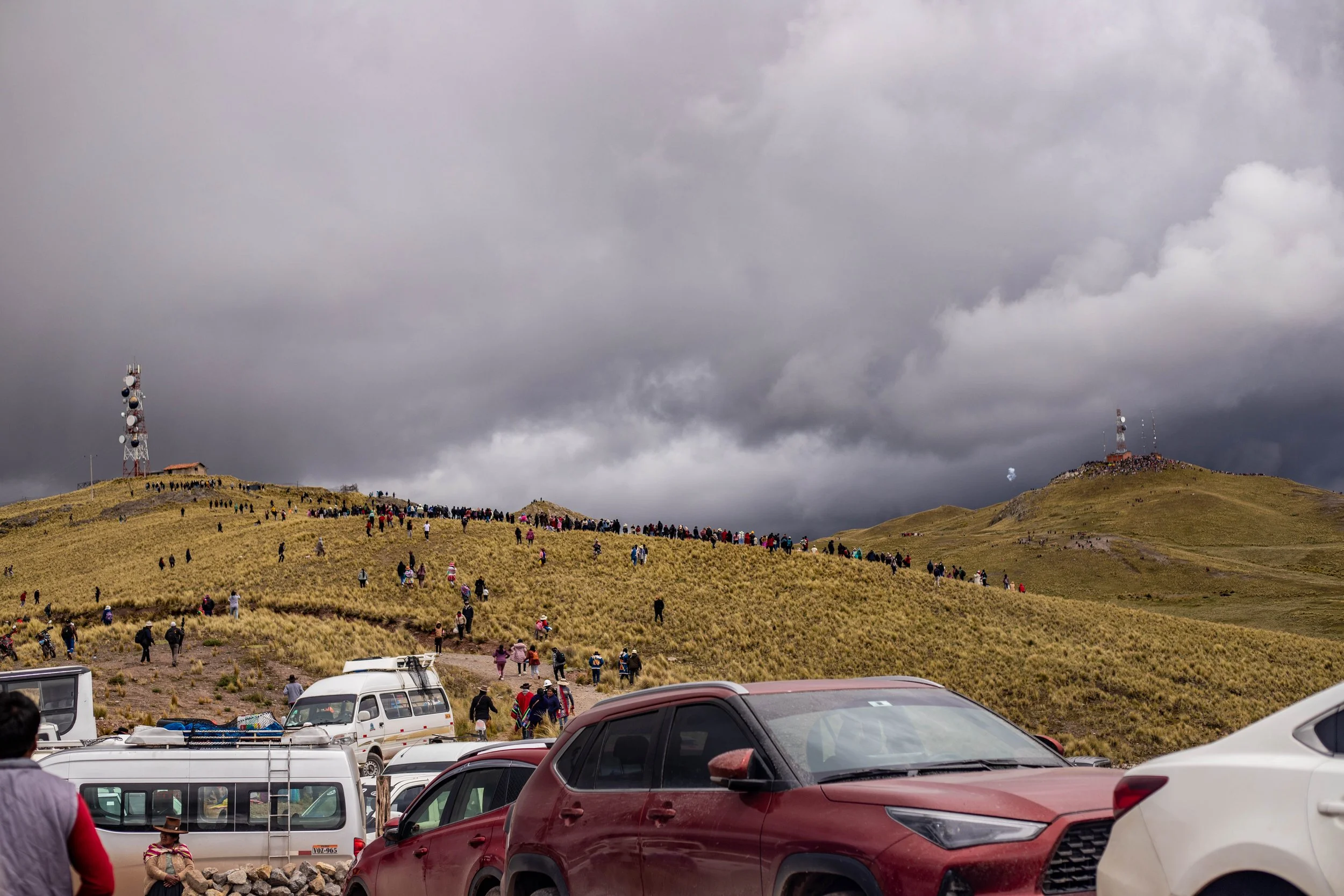
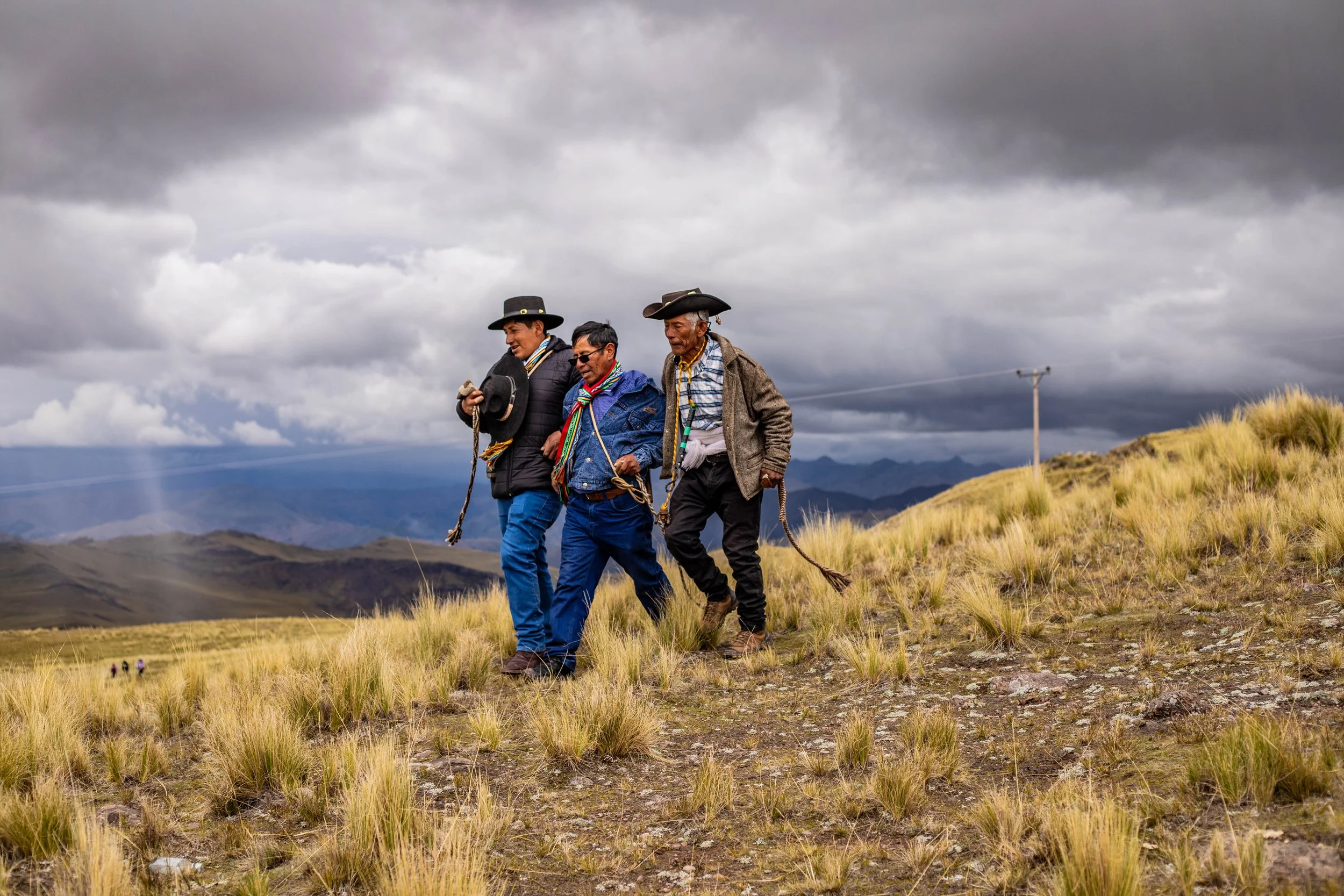
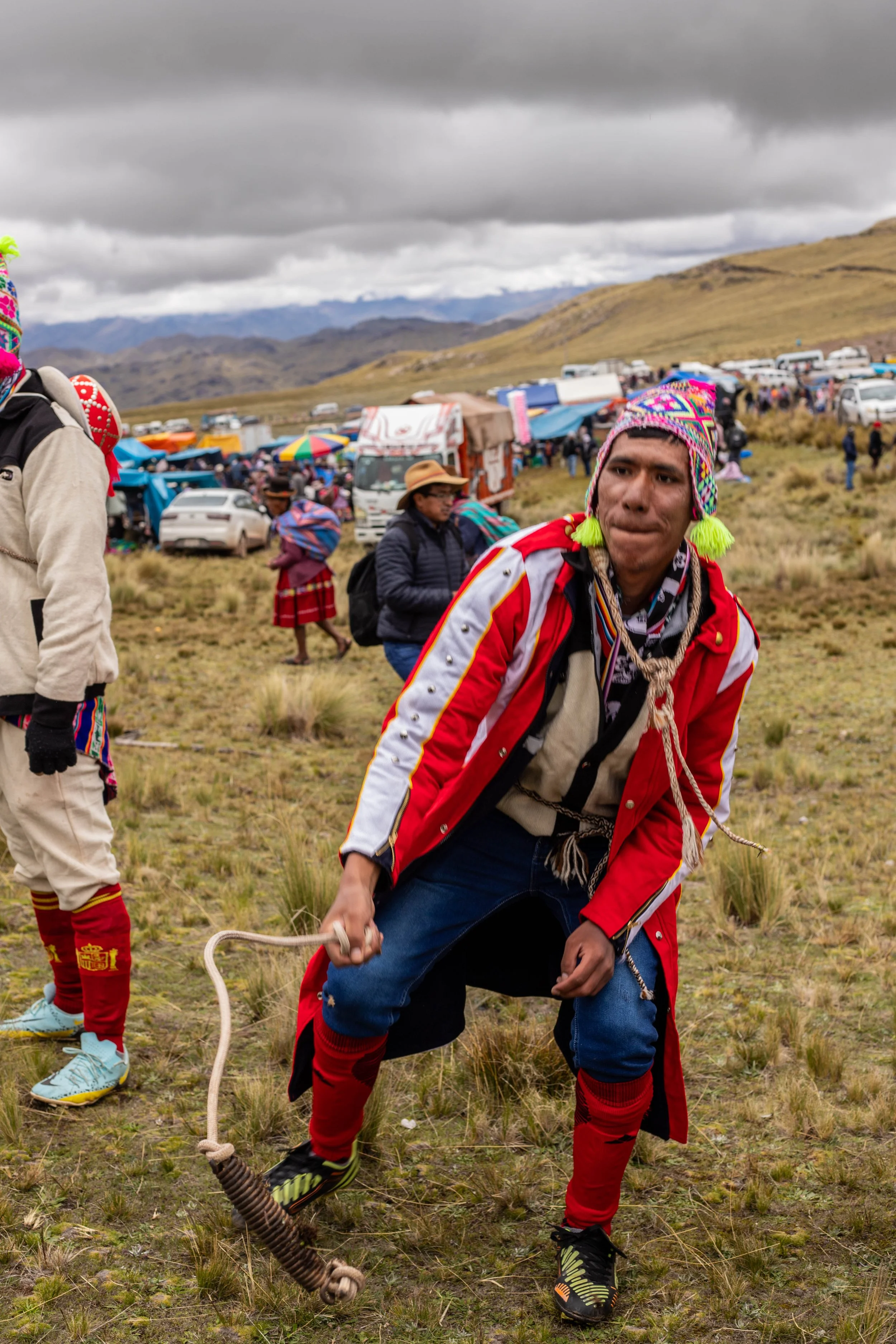
Picture two mountains, radio antennas on each side, between the two: sprinkles of color: red, pink, yellow, brown, blue, and black. A kilometer away from the action, these dots of colour are the men participating in the battle. They traditionally use a huaraca, a knitted sling used to launch stones (at their opponent's head). But this doesn’t look like a medieval battle movie or a western film. There is no "front line”. Men charge and retreat across the pampa (battlefield) in groups, like teams waiting for their turn to play.
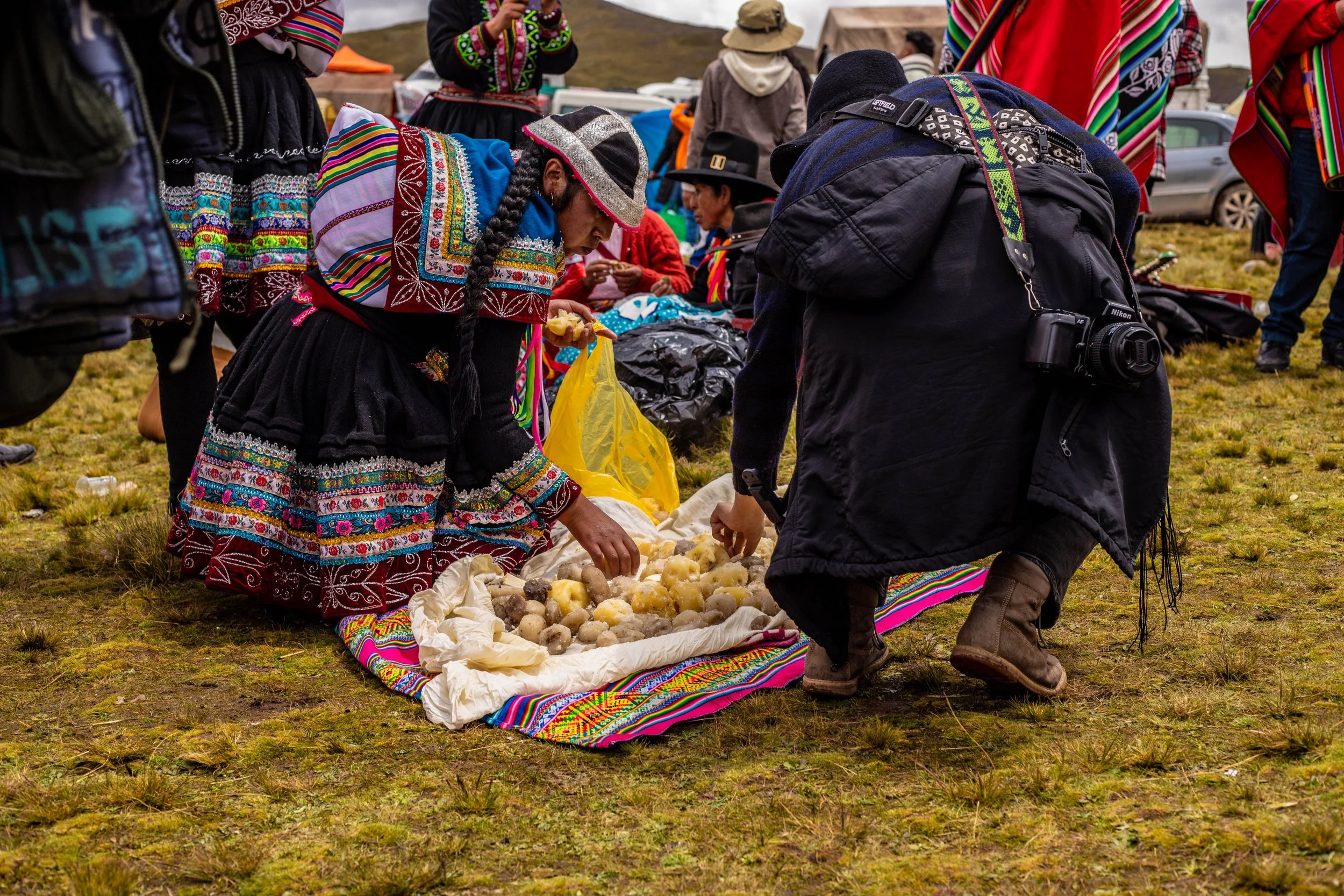
As an observer, I came with two intentions: to understand this cultural practice and to document it. How does a blood sacrifice become spiritual currency? My friend and anthropologist, Fabio Venero, kindly explained the concept of Tinkuy to me. He drew an oval and told me the Andean world is like an orange split in two: masculine and feminine, high and low. Because the rugged geography of the Andes makes total self-sufficiency impossible, these "opposites" are forced to meet and trade to survive. For example, the potato grows in the freezing heights, while corn comes from the temperate valleys, and fish from the coast. In the past, if these worlds didn't meet to trade, people simply starved. This necessity made the act of "meeting" sacred. That union, or any dualistic meeting, is Tinkuy. In that way, Chiaraje is a form of Tinkuy, the meeting of two opposites.
The location and timing of this tradition is also Tinkuy. January 20th is the peak of the rainy season. In the Andean cosmovision, this is a "liminal" space in time where the world above (Hanan Pacha) meets the world below (Uku Pacha) through the nexus of rain and lightning. They meet at the Pampa del Chiaraje because it is the geographic middle (Axis Mundi) where these two communities connect.
Ironically, the community that "loses", the one who suffers more injuries, is technically the winner. They have sacrificed more of their most valuable asset: life. By giving more to the land, they are meant to be the most prosperous in the coming year.
Where I’m from, we’re taught that violence is what happens when words fail, but for these communities, the clash is the highest form of dialogue. It carries the same weight as the harvest: a necessary exchange of energy. When I spoke to the men in the Plaza of Q’ewe afterward, they didn't see themselves as victims or aggressors. “It’s a game, it’s a sport,” Tío Félix explained, dismissing the idea of 'justice' or 'violence’.
The stones launched on January 20th aren't meant to settle a grudge. They demonstrate how violence is not a universal conceptt, it’s a cultural label. It’s meaning falls apart when the objective is survival instead of destruction. Life is the most valuable asset we hold, shedding it upon the pampa is a gesture of reciprocity. It is not an act of war, but a payment to the earth in its own currency.
Fabio Venero’s insights on these "liminal spaces" are part of his extensive fieldwork in Canas, published in his thesis, Pachakunaq Tinkuypurankupi, at the Universidad Nacional Mayor de San Marcos, 2024.
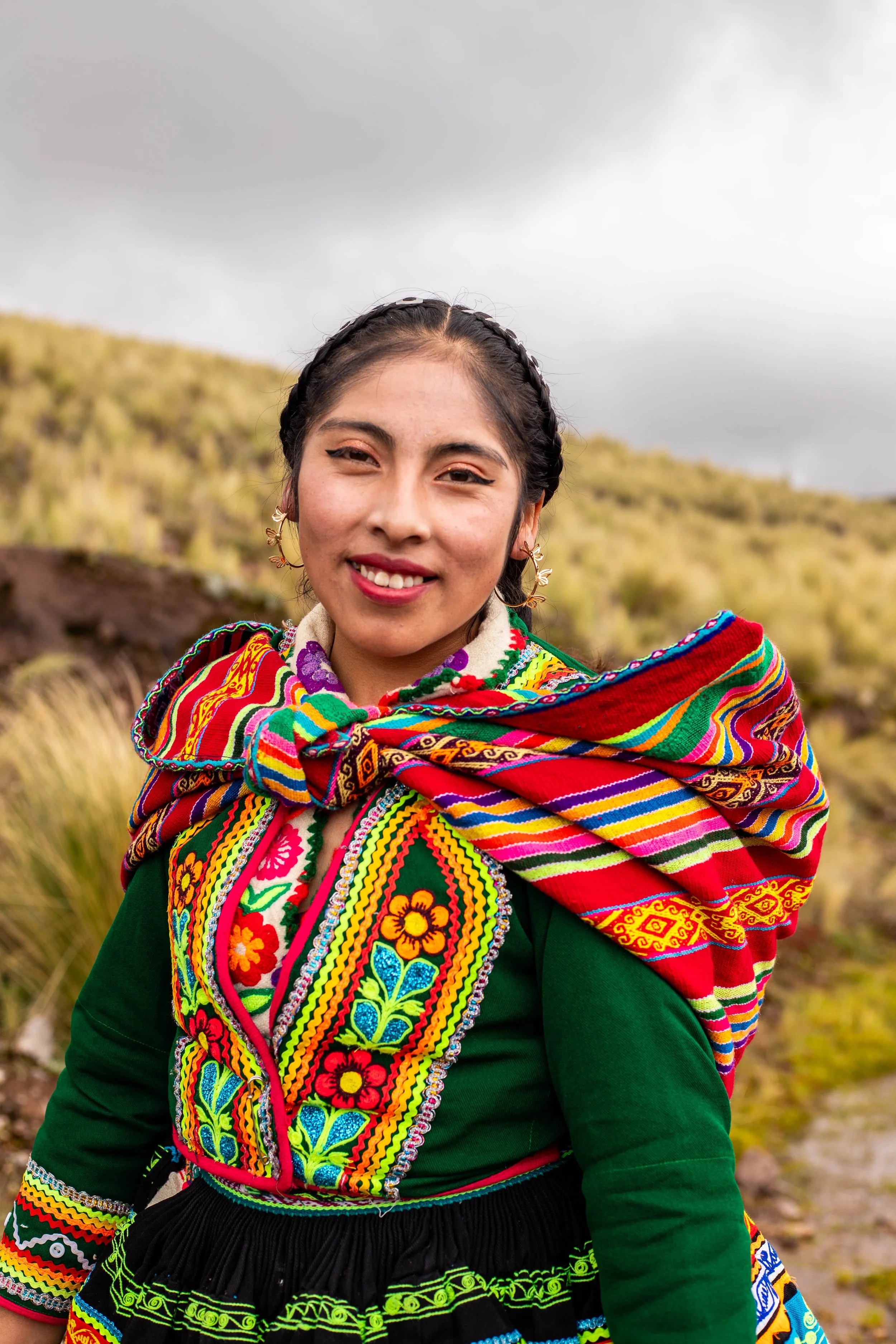
Gloris
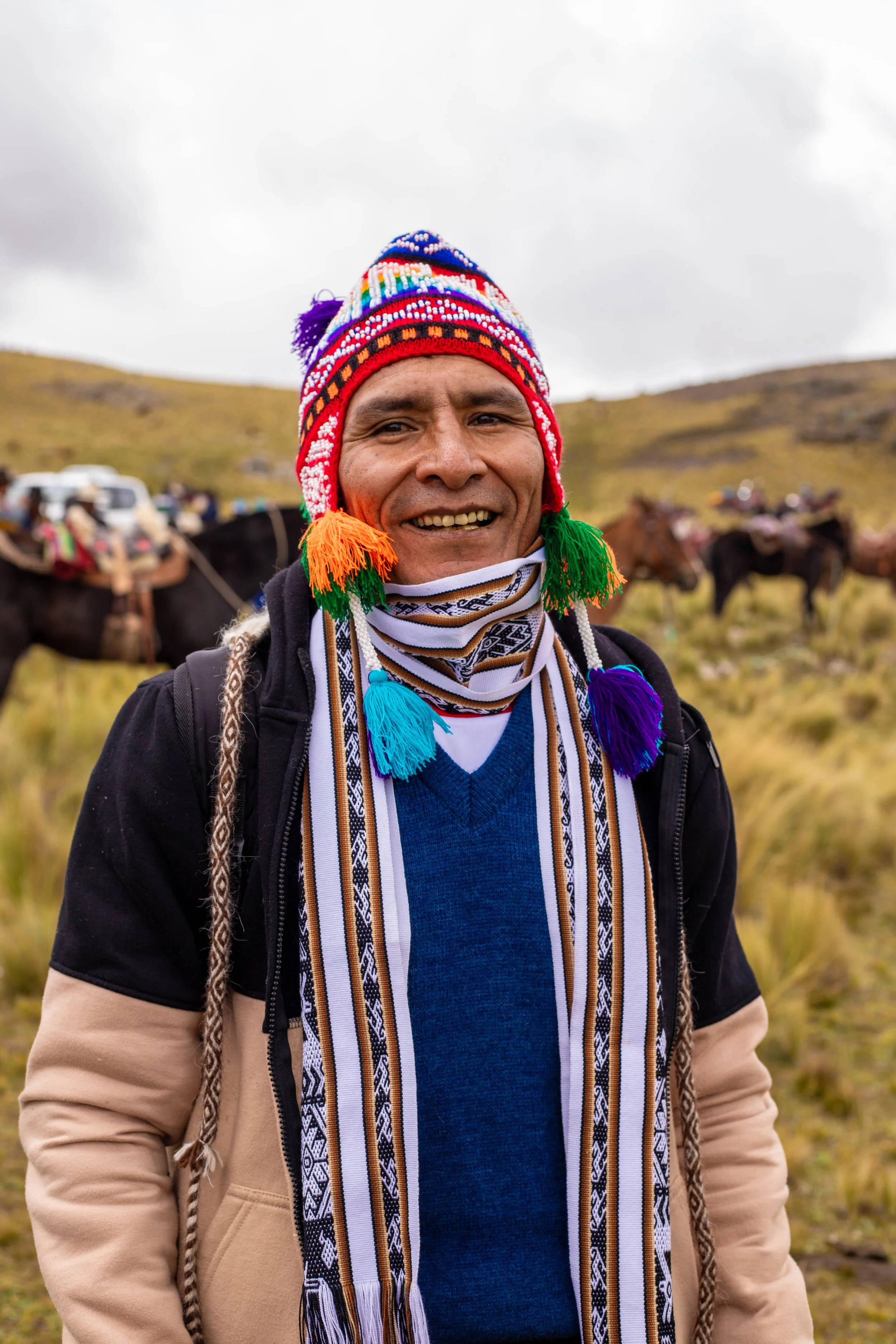
Thomas Caballo